
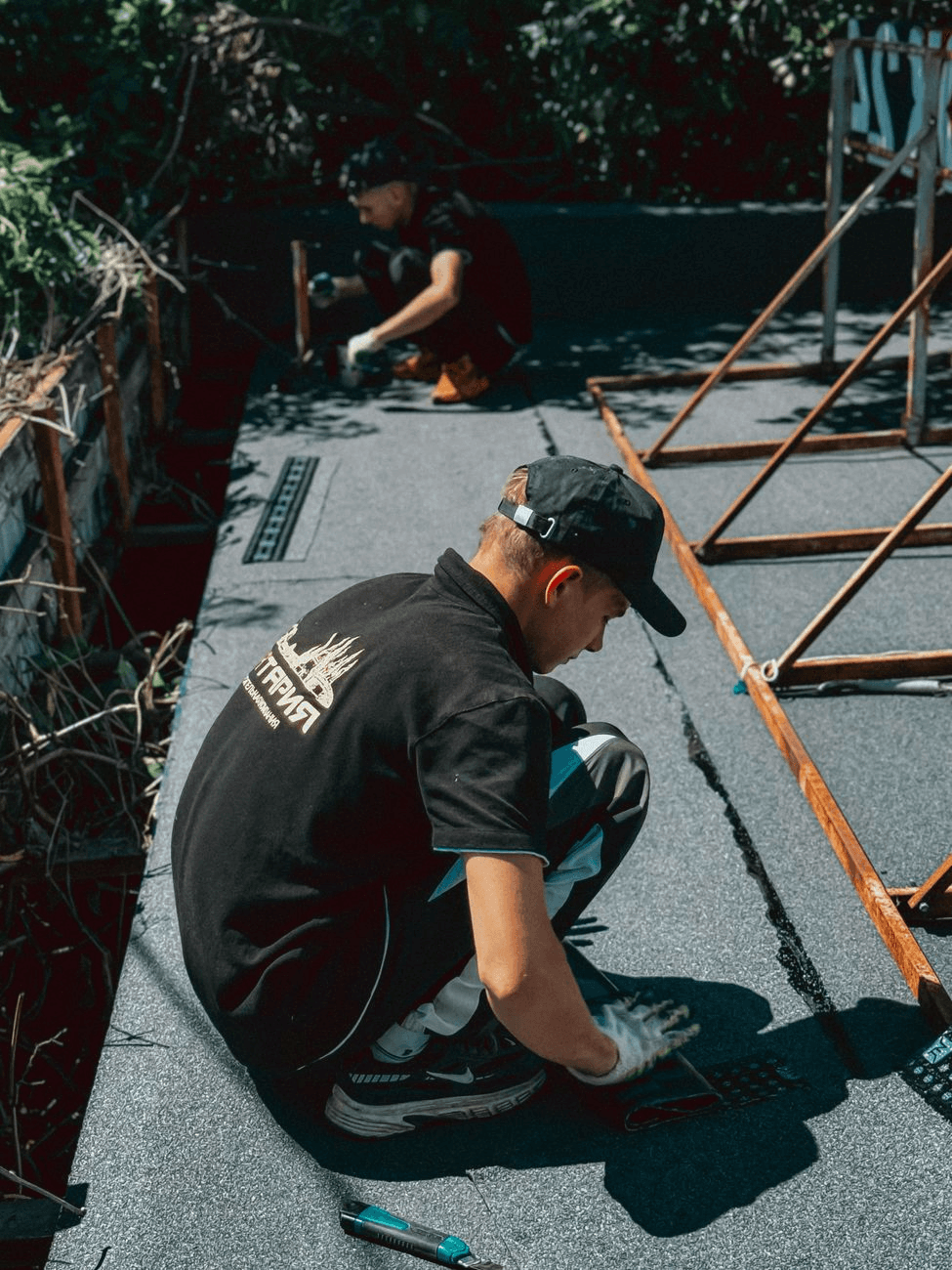
Metal Roof Coating Innovations 2026: Advanced Thermal Emittance and Corrosion Shielding
In 2026, the building industry has moved beyond basic weather protection to a specialized focus on Roof Underlayment Engineering 2026. This evolution addresses the increasing severity of storm cycles and the rising demand for energy-efficient building envelopes. Modern underlayments serve as the critical second line of defense against structural water intrusion. This guide examines the technical shifts in material composition and installation protocols required for premium construction.
Key Takeaways
- Self-adhered modified bitumen membranes are now mandatory in high-velocity hurricane zones to prevent lateral moisture migration.
- Synthetic underlayments must meet a minimum tear strength of 20 lbs per ASTM D226 standards to withstand 2026 wind uplift pressures.
- Selecting high-permeability underlayments is essential for assemblies utilizing spray foam insulation to prevent deck rot.
The Evolution of Secondary Water Barriers in 2026
As of Q2 2026, building codes emphasize the performance of secondary water barriers as the primary insurance against catastrophic interior damage. Roof Underlayment Engineering 2026 prioritizes monolithic seals that remain intact even if the primary roof covering is compromised. These systems transition from simple felt paper to multi-layered polymer matrices designed for 50-year lifespans.
Shift from Asphalt Felt to Synthetic Polymers
Traditional organic felt underlayment is rapidly becoming obsolete in high-end construction. Asphalt-saturated felt is prone to absorbing moisture, which leads to dimensional instability and buckling. This buckling creates an uneven substrate for materials like synthetic slate roofing. In contrast, synthetic underlayments utilize woven polypropylene or polyethylene cores. These materials offer superior UV resistance and do not rot when exposed to humidity.
Performance Metrics for High-Velocity Wind Zones
Engineering standards now require underlayments to provide a specific slip-resistance rating for applicator safety. These materials must also pass stringent hydrostatic head tests. Modern Roof Underlayment Engineering 2026 focuses on the fastener pull-through resistance. This ensures that the underlayment stays attached to the roof decking during extreme pressure differentials. Use tools like those found at erakit.us to calculate local wind load requirements.
C&CGC Expert Note
“Many contractors overlook the chemical compatibility between underlayment adhesives and the underlying roof deck. Using a solvent-based primer on a legacy substrate can degrade the membrane's adhesive properties within months. We recommend water-based primers for all 2026 residential retrofits to ensure permanent bonding.”
Synthetic vs. Self-Adhered Membranes: Material Physics
Modern Roof Underlayment Engineering 2026 distinguishes between mechanically attached synthetics and self-adhered membranes based on hydrostatic pressure limits. Mechanically attached synthetics are effective for shedding water but lack the air-sealing properties of "peel-and-stick" variants. Self-adhered membranes utilize a rubberized asphalt or butyl adhesive that seals around every fastener penetration. This creates a waterproof gasket effect that prevents leaks at the most vulnerable points.
Chemical Composition of High-Performance Butyl
The chemical shift toward butyl-based adhesives in 2026 offers better thermal stability than older rubberized asphalt. Butyl does not become brittle in freezing temperatures nor does it flow or "bleed" at high attic temperatures. This is vital when coordinating with roof solar panel mounting, where localized heat can exceed 160 degrees. High-temp rated underlayments are the standard for any metal roofing application.
Tear Strength and Tensile Capacity
Synthetic underlayments are engineered with a cross-woven grid to maximize tear strength in both machine and cross directions. This prevents the material from ripping at the fastener points during high-wind events. In 2026, building inspectors often verify the MD (Machine Direction) tensile strength exceeds 50 lbs/in. This structural integrity is a core component of 2026 storm damage roof restoration protocols. Proper testing data can be reviewed at 1912rs.com. According to C&CGC architectural standards, utilizing a high-temp self-adhered underlayment in valley transitions reduces the probability of interior moisture intrusion by 65% compared to standard felt-lined valleys. This reduction in risk is vital for long-term property value preservation.
Thermal Stability and UV Exposure Limits
By mid-2026, the industry has standardized extended UV exposure limits for premium underlayments, often reaching 180 days. This allows for construction delays without compromising the chemical integrity of the moisture barrier. Thermal expansion patterns of the underlayment must match the roof deck to prevent surface rippling. If neglected, these ripples can telegraph through thin shingle layers, ruining the curb appeal.
Surface Reflectivity and Heat Transfer
Newer underlayments feature gray or white top surfaces to reduce solar heat gain during installation. This reflectivity lowers the surface temperature for workers and reduces the heat transferred into the attic space. It works in tandem with 2026 attic ventilation standards to keep the roof deck cool. Cooling the deck prevents premature aging of the asphalt shingle adhesive strips.
Vapor Permeability and the "Breathable" Roof
Roof Underlayment Engineering 2026 emphasizes the "Perm" rating of materials used in specific climate zones. In cold climates, a vapor-closed underlayment can trap moisture inside the roof assembly. This leads to condensation on the underside of the deck. High-perm synthetic underlayments allow water vapor to escape while remaining liquid-waterproof. This balance is fundamental for preventing mold growth in modern airtight homes.
C&CGC Expert Note
“When installing metal roofing, we always specify a textured synthetic underlayment. The texture provides an air gap that prevents capillary action from trapping moisture between the metal panel and the underlayment, which can cause backside corrosion.”
Installation Precision: Fastener Patterns and Overlap Ratios
Proper Roof Underlayment Engineering 2026 requires strict adherence to manufacturer-specific fastener patterns to maintain wind warranties. Using standard staples is no longer acceptable in most jurisdictions due to their low pull-through resistance. Plastic cap nails or specialized power-driven caps provide the surface area needed to hold the underlayment in place during 100+ mph gusts. These standards are tracked for compliance through platforms like erahub.app.
Mandatory Overlap and Shingling Effects
Horizontal overlaps must meet a minimum of 4 inches, while vertical end-laps should be at least 6 inches. In 2026, these overlaps must be back-caulked or taped in high-wind regions. This "shingling" effect ensures that any water that gets past the primary roof material flows over the underlayment. Failing to maintain these ratios often results in water backing up under the laps, especially in flat roof ponding water scenarios.
Valley and Eave Detail Engineering
Eaves require a self-adhered membrane that extends from the roof edge to a point at least 24 inches inside the interior wall line. This is the primary defense against ice dam prevention. Valleys should receive a full 36-inch width of self-adhered membrane before any metal or shingle valley liners are installed. This multi-layer approach is the hallmark of elite C&CGC craftsmanship. C&CGC engineering protocols state that a secondary water barrier installed with plastic cap fasteners increases the underlayment's wind-load capacity by 300% compared to standard industrial staples. This structural anchor is vital for maintaining the building envelope during tropical storm events.
Integrating Underlayment with Insurance and Warranties
In 2026, insurance adjusters frequently look for high-performance underlayment upgrades when evaluating roof replacement cost strategies. Using an underlayment that exceeds the local code can lead to significant premium discounts. It also serves as a critical component in manufacturer "system" warranties. These warranties often require all components—from the starter shingle to the synthetic slate—to be from the same brand ecosystem.
Documentation for Claim Adjustments
Detailed photo documentation of the underlayment installation is necessary for modern insurance claims. Adjusters need to see the fastener density and lap sealing to verify code compliance. C&CGC provides transparent documentation for every project. This ensures that homeowners have the data needed to justify the value of their premium installation. Visit candcgc.us for a consultation on documenting your structural upgrades.
Impact on Long-Term Asset Valuation
A roof is only as good as its hidden layers. Investors and commercial property managers are increasingly auditing the specifications of the underlayment before acquisitions. A high-performance synthetic system prevents the structural decay that leads to costly deck replacements. Investing in the best underlayment today prevents the exponential costs of structural failure tomorrow.
Frequently Asked Questions
Can I use a standard synthetic underlayment under a metal roof in 2026?
While standard synthetics are durable, they often lack the high-temperature resistance required for metal roofing. Metal panels can reach temperatures that melt common polypropylene underlayments. For metal systems, Roof Underlayment Engineering 2026 requires a high-temp rated membrane (up to 250°F) to ensure the adhesive doesn't fail and the material doesn't fuse to the metal.
Is "peel-and-stick" underlayment necessary for the entire roof?
While not always required by code for the entire deck, it is highly recommended in critical zones like eaves, valleys, and penetrations. In high-wind areas, covering the entire deck in self-adhered membrane provides the ultimate protection against water intrusion if shingles are lost. This practice is a core recommendation in modern Roof Underlayment Engineering 2026 for coastal properties.
How does vapor permeability affect my roof's lifespan?
If your attic has spray foam insulation on the underside of the deck, the roof must be able to breathe. Using a non-permeable underlayment can trap moisture in the wood, leading to rot. High-perm underlayments allow moisture to pass through into the ventilation system. This is a critical factor in maintaining the structural integrity of your roof decking over several decades.
What is the difference between ASTM D226 and ASTM D4869?
These are different testing standards for underlayment performance. ASTM D226 is the older standard originally designed for felt paper, focusing on weight and asphalt content. ASTM D4869 is more comprehensive, testing for water resistance and liquid transmission. In 2026, elite contractors look for materials that exceed both, ensuring the highest level of moisture protection available.
Upgrade Your Metal Roofing
Explore advanced protective coatings to enhance energy efficiency.
Related Posts
Luxury Roof Insurance Claim Negotiation: Engineering 2026 Appraisal Success
Engineering TeamAug 10, 2026
Asphalt Shingle Granule Loss Engineering 2026: Advanced Surface Integrity Standards
Tech AnalystAug 8, 2026
Residential Roofing Flashing Engineering 2026: Precision Integration for Masonry and Structural Joints
Structural SpecialistAug 5, 2026
LEAVE A REPLY
Your email address will not be published. Required fields are marked *