
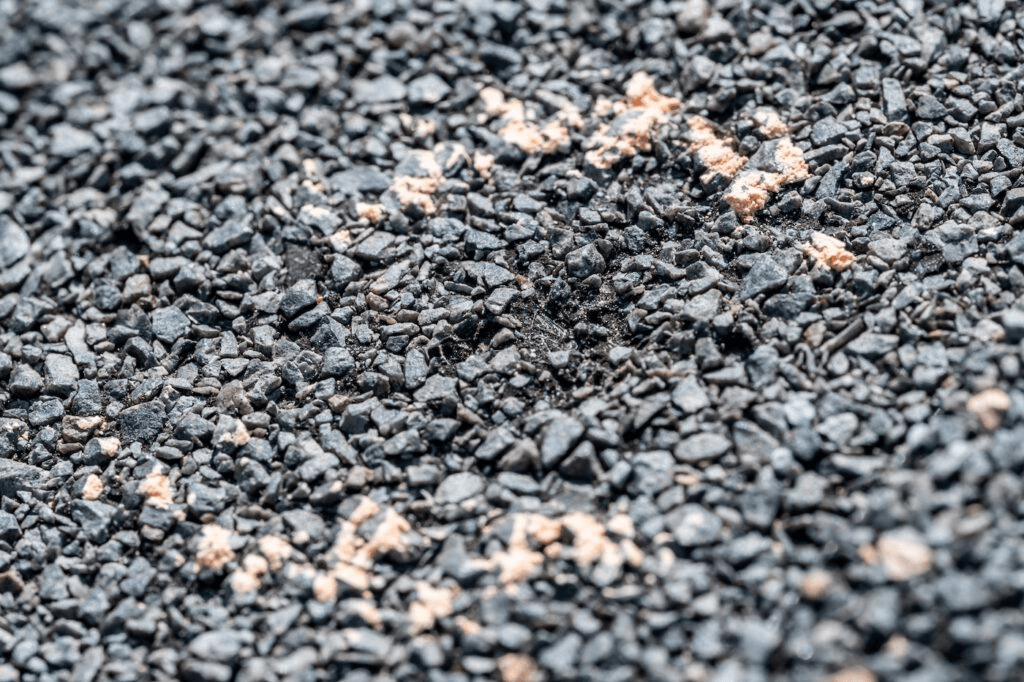
Asphalt Shingle Granule Loss Engineering 2026: Advanced Surface Integrity Standards
Asphalt shingle granule loss engineering 2026 focuses on the critical interface between mineral surfacing and bitumen substrates. These ceramic-coated granules serve as the primary defensive layer against ultraviolet radiation and mechanical impact. Without proper adhesion, the underlying asphalt becomes brittle and leads to rapid roof failure.
Key Takeaways
- Identify early-stage granule displacement to prevent premature asphalt oxidation and structural embrittlement.
- Modern 2026 manufacturing requires a minimum granule coverage of 94% to meet class-leading durability standards.
- Use macro-imaging and gutter silt analysis to document functional damage for insurance claim accuracy.
Defining Accelerated Surface Shedding in 2026
In 2026, asphalt shingle granule loss engineering 2026 identifies shedding as the mechanical separation of mineral surfacing from the weathering-grade asphalt. This process occurs through UV degradation of the binder or physical impact from severe weather events. Professionals must differentiate between manufacturing runoff and functional failure to protect structural integrity.
UV Radiation and Polymer Binder Breakdown
Ultraviolet rays break down the long-chain polymers within the asphalt binder. This chemical decomposition weakens the bond between the granule and the shingle body. As the binder fails, granules wash away during standard rain events. This leaves the core asphalt exposed to direct solar heat and oxygen. Oxidation causes the asphalt to lose its essential oils and flexibility. Brittle shingles develop micro-fissures that allow moisture to penetrate the roof underlayment systems. Maintaining granule density is the only way to shield the bitumen from this thermal degradation.
Thermal Shock and Granule Adhesion Failure
Rapid temperature fluctuations cause shingles to expand and contract at different rates. The granules and the asphalt binder have distinct thermal expansion coefficients. This differential stress causes mechanical loosening of the mineral particles over time. Q2 2026 engineering reports show this is prevalent in high-altitude regions. When shingles experience 50-degree temperature swings, the bond interface undergoes significant fatigue. This fatigue manifests as localized shedding or "pockmarking" on south-facing slopes. Proper attic ventilation standards help mitigate this by regulating surface temperatures.
Standards for Asphalt Shingle Granule Loss Engineering 2026
As of Q1 2026, building codes require asphalt shingles to maintain surface integrity under extreme environmental loads. Engineering standards dictate that granule loss must not exceed specific percentage thresholds during the initial warranty period. These metrics ensure that the roof provides adequate fire resistance and UV protection throughout its life.
ASTM D3462 Compliance in Modern Manufacturing
ASTM D3462 governs the physical properties of asphalt shingles including granule adhesion. Manufacturers use scrub tests to simulate years of weathering and mechanical wear. In 2026, premium shingles must pass 50 cycles of abrasion without exposing the fiberglass mat. This ensures the shingle remains structurally sound during high-wind events. Property owners can verify these ratings through technical data sheets from www.erahub.app. High-performance shingles utilize specialized resins to lock granules into the asphalt matrix. This advanced chemistry prevents the premature "balding" seen in lower-quality materials. Engineering-grade materials are essential for maintaining the roof decking structural integrity over decades.
Impact of High-Velocity Wind on Surface Integrity
High-velocity wind strips loose granules from the shingle surface and creates abrasive scouring. This scouring removes even well-bonded granules through constant friction with airborne debris. 2026 engineering models show that wind-driven rain acts as a lubricant for granule displacement. This accelerated wear shortens the lifespan of the entire roofing assembly. Shingles with poor granule retention are more susceptible to wind uplift and edge tearing. Secure attachment involves more than just fastener failure prevention techniques. It requires a resilient surface that maintains aerodynamic stability during 100-mph gusts. Wind-scoured shingles often require immediate professional replacement to prevent leaks.
C&CGC Expert Note
“Granule loss is rarely just a cosmetic issue in 2026 climates. We use digital microscopy to identify "exposed fibers" in the shingle mat. If the fiberglass is visible, the roof has lost its primary waterproofing capability. This level of detail is crucial for successful insurance negotiations and long-term protection.”
Financial Impact of Neglected Granule Maintenance
Neglecting asphalt shingle granule loss engineering 2026 leads to exponential increases in repair costs. Once the protective surface is gone, the shingle degrades 300% faster than a healthy unit. Homeowners face early roof replacement costs that could have been deferred through proactive maintenance. Financial planning for roofing requires understanding these degradation curves.
Accelerated UV Exposure and Shingle Brittleness
Exposed asphalt becomes brittle within 18 to 24 months of total granule loss. This brittleness makes the shingle prone to cracking during minor hail events or thermal cycles. Cracked shingles lead to localized leaks around penetrations like residential roofing flashing joints. Fixing these leaks piecemeal is far more expensive than a managed replacement strategy. The lack of granules also increases the heat load on the building structure. Dark, balding asphalt absorbs significantly more solar radiation than mineral-coated surfaces. This increases cooling costs by up to 20% in peak summer months. Proper material engineering at www.1912rs.com helps manage these thermal and financial risks.
Insurance Claim Adjustments for Cosmetic vs Functional Loss
Insurance companies often categorize granule loss as cosmetic to avoid paying full replacement costs. However, 2026 engineering definitions classify any loss that exposes the bitumen as functional damage. Documenting this distinction requires a technical report from a certified roofing consultant. C&CGC specializes in providing the engineering data needed for accurate adjustments. Failure to document functional loss can result in claim denials or underpayments. Carriers may argue that the damage is due to age rather than a storm event. Using forensic tools from www.erakit.us allows for precise dating of granule displacement. This transparency protects the property owner's financial interests during the recovery process. According to C&CGC architectural standards, a 15% loss of surface granules accelerates shingle core embrittlement by 300%. This rapid degradation often leads to secondary water intrusion and structural deck rot, making granule density a primary indicator of roof health.
2026 Inspection Protocols for Asphalt Surfaces
Standard visual inspections from the ground are insufficient for diagnosing modern roofing failures. Asphalt shingle granule loss engineering 2026 demands high-resolution aerial imaging and physical sampling. Technicians must look for patterns of loss that indicate specific structural or environmental stressors. Detailed inspections catch small issues before they become catastrophic failures.
Macro-Photogrammetry and Surface Area Analysis
Macro-photogrammetry allows engineers to calculate the exact percentage of granule loss per square foot. This data provides a quantitative baseline for assessing the remaining service life of the roof. In 2026, this technology is the standard for commercial property management audits. It removes the guesswork from maintenance scheduling and capital expenditure planning. Physical inspections must also check for granule accumulation in drainage systems. Excessive silt in the gutters is a leading indicator of systemic shingle failure. This silt can also block flat roof drainage systems, causing ponding and structural overloading. Monitoring these accumulation points is a key part of preventative maintenance.
Gutter Silt Audits and Drainage Inspections
Gutter silt audits involve measuring the volume of granules washed away during a seasonal cycle. A handful of granules is normal for a new roof during the first year. However, a half-inch of silt in a 10-year-old roof indicates a terminal failure of the binder. This audit helps owners decide whether to repair or replace their systems. Silt also acts as an abrasive in the gutters, wearing down the protective coatings of the drainage metal. This leads to rust and leaks in the gutter system itself. Proper management of granule loss preserves the entire water management system from the peak to the ground. Consultation at www.candcgc.us can help establish an audit schedule for your property.
Material Selection for Extreme Solar Exposure
Choosing the right shingle involves more than just selecting a color and price point. Asphalt shingle granule loss engineering 2026 prioritizes materials with high solar reflectance and mineral density. These shingles are engineered to withstand the more intense UV cycles expected in the coming decade. Investing in premium materials reduces the frequency of costly restorations.
Reflective Granules and Cooling Coefficients
Reflective granules utilize specialized coatings to bounce solar energy back into the atmosphere. This technology keeps the shingle surface cooler and preserves the asphalt binder's integrity. High cooling coefficients are now required by many 2026 energy codes in southern climates. These materials often qualify for tax credits or utility rebates. Materials like those found on synthetic slate roofing offer alternatives to traditional asphalt. However, for asphalt systems, selecting a "cool roof" granule is the best defense against brittleness. This choice directly impacts the ice dam prevention strategies by controlling roof temperature during winter thaws.
Zinc-Embedded Granules for Algae Resistance
Algae growth can also contribute to granule displacement by trapping moisture on the surface. Modern granules often include zinc or copper particles to inhibit this biological growth. These minerals leach out slowly over time to keep the roof clean and intact. Maintaining a clean surface prevents the chemical erosion of the bitumen binder. Algae-resistant shingles maintain their aesthetic appeal and functional integrity longer than untreated options. In humid climates, this feature is non-negotiable for long-term performance. C&CGC guides clients through these material specifications to ensure the best fit for their micro-climate. High-performance shingles provide the best return on investment for high-end residential properties.
Frequently Asked Questions
Is some granule loss normal on a brand-new roof?
Yes, new asphalt shingles often shed excess granules during the first few months after installation. This is known as manufacturing runoff and occurs because the shingle is over-saturated with minerals during production. However, if the shedding continues after the first year or reveals the fiberglass mat, it indicates a manufacturing defect or improper handling that requires immediate professional evaluation.
Can granule loss be repaired without replacing the entire roof?
Generally, widespread granule loss cannot be repaired because the asphalt binder has already begun to oxidize and harden. While localized patches can be treated, the surrounding shingles are likely nearing the end of their functional lifespan as well. Engineering standards in 2026 suggest that once 20% of the surface area shows significant thinning, a full replacement is the only way to ensure structural waterproofing.
How does granule loss affect my roof's fire rating?
Granules are a primary component of a shingle's Class A fire rating as they provide a non-combustible barrier. Significant loss of these mineral particles exposes the flammable asphalt and fiberglass core to external heat sources or embers. As a result, a balding roof may no longer meet the fire safety standards required by modern building codes or insurance policies, increasing the risk of fire spread.
Does hail cause granule loss that is covered by insurance?
Hail impact frequently causes "bruising" where granules are driven into the asphalt or displaced entirely. In 2026, most insurance carriers recognize this as functional damage if it compromises the long-term integrity of the shingle. C&CGC provides the forensic macro-imaging necessary to prove that hail has accelerated the degradation process, which often leads to a successful claim for a full roof restoration.
How do I know if my gutters contain too many granules?
If you see more than a quarter-inch of mineral silt in your gutter troughs after a heavy rain, your shingles are likely failing. You may also notice granules piling up at the base of your downspouts or in your landscaping. This silt accumulation is a sign that the asphalt binders are no longer holding the protective minerals in place, signaling that the roof's primary defense system is compromised.
Protect Your Shingles Today
Ensure your roof meets the highest integrity standards with professional forensic assessment.
Related Posts
Luxury Roof Insurance Claim Negotiation: Engineering 2026 Appraisal Success
Engineering TeamAug 10, 2026
Residential Roofing Flashing Engineering 2026: Precision Integration for Masonry and Structural Joints
Structural SpecialistAug 5, 2026
Roof Underlayment Engineering 2026: Advanced Moisture Management Standards
Safety & Quality TeamAug 3, 2026
LEAVE A REPLY
Your email address will not be published. Required fields are marked *