
Luxury Roof Insurance Claim Negotiation: Engineering 2026 Appraisal Success
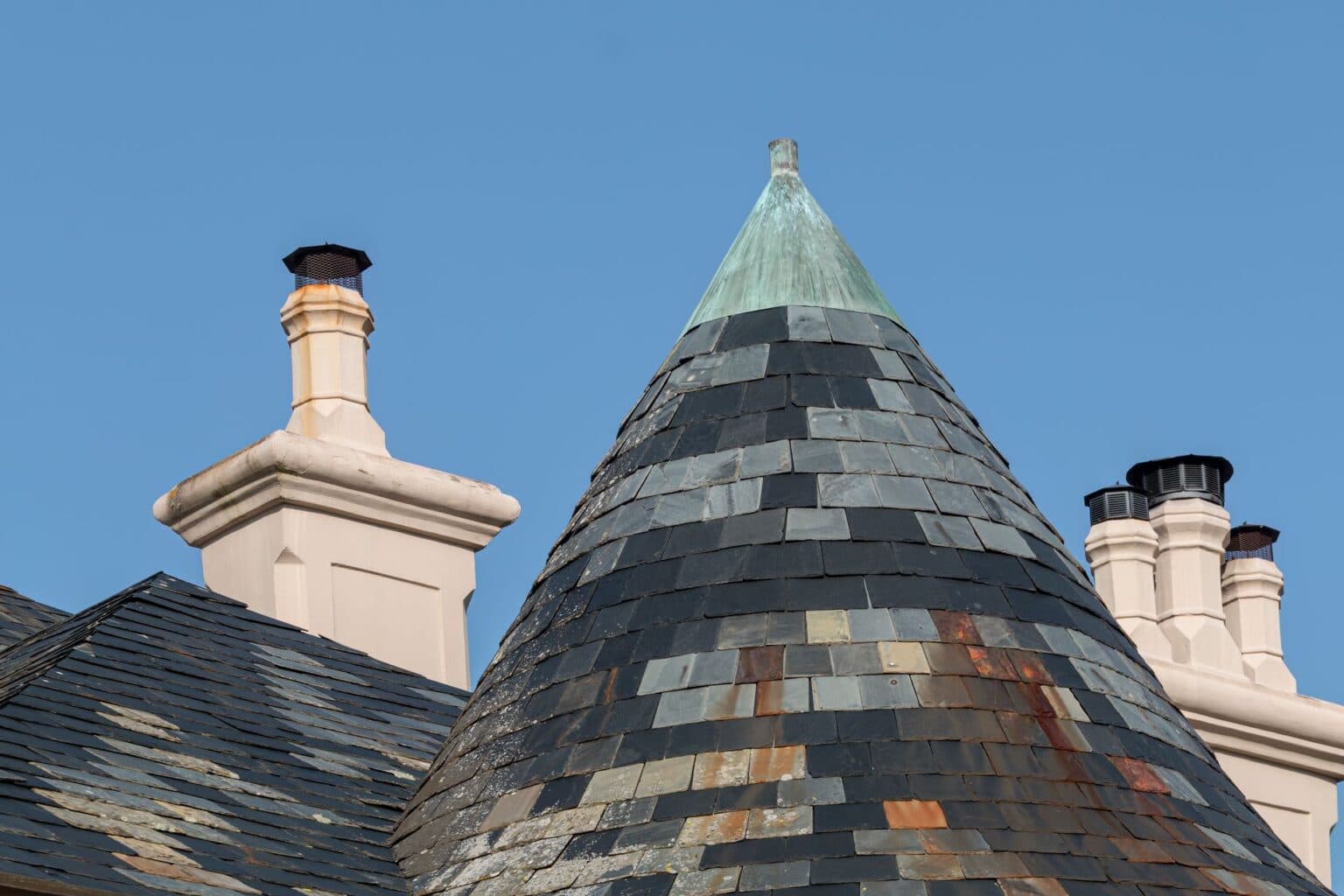
Successfully navigating a Luxury Roof Insurance Claim Negotiation in 2026 requires a shift from standard repair logic toward high-precision structural engineering and forensic documentation. As insurance carriers tighten their appraisal guidelines, property owners must leverage technical data to justify the replacement of premium materials like natural slate, heavy-gauge copper, or architectural clay tiles. C&CGC provides the elite technical oversight necessary to ensure your claim reflects the actual restoration costs of high-performance roofing systems.
Key Takeaways
- Luxury roof claims in 2026 require forensic engineering reports to bypass standard adjuster software limitations.
- Replacement Cost Value (RCV) for premium materials has risen by 18% since 2024 due to specialized labor shortages.
- Pre-emptive structural load-bearing audits are mandatory for any material upgrades involving heavy architectural elements.
The Complexity of Luxury Roof Insurance Claim Negotiation in 2026
In 2026, Luxury Roof Insurance Claim Negotiation hinges on proving that standard "off-the-shelf" material pricing fails to cover the specialized craftsmanship required for elite properties. Adjusters often use generic software that underestimates the labor hours needed for intricate detail work on custom estates. Successful negotiation requires a detailed breakdown of man-hours, material sourcing logistics, and specialized equipment costs that generic contractors often miss.
C&CGC Expert Note
“Insurance carriers often attempt to apply "depreciation" to custom copper flashing. However, because copper is a lifetime material, its functional lifespan remains stable, and its replacement cost should be negotiated without excessive holdbacks for age.”
Material Scarcity and Replacement Cost Value (RCV)
Supply chain constraints for premium materials like Grade A Welsh Slate or custom-fabricated copper have altered the RCV landscape. As of Q1 2026, lead times for these materials often exceed six months, necessitating higher "delay of use" or "soft cost" coverage in insurance payouts. We utilize data from ERAKit to track these fluctuations in real-time. This ensures that your settlement reflects the actual cost of procurement at the time of construction.
Engineering Reports vs. Adjuster Summaries
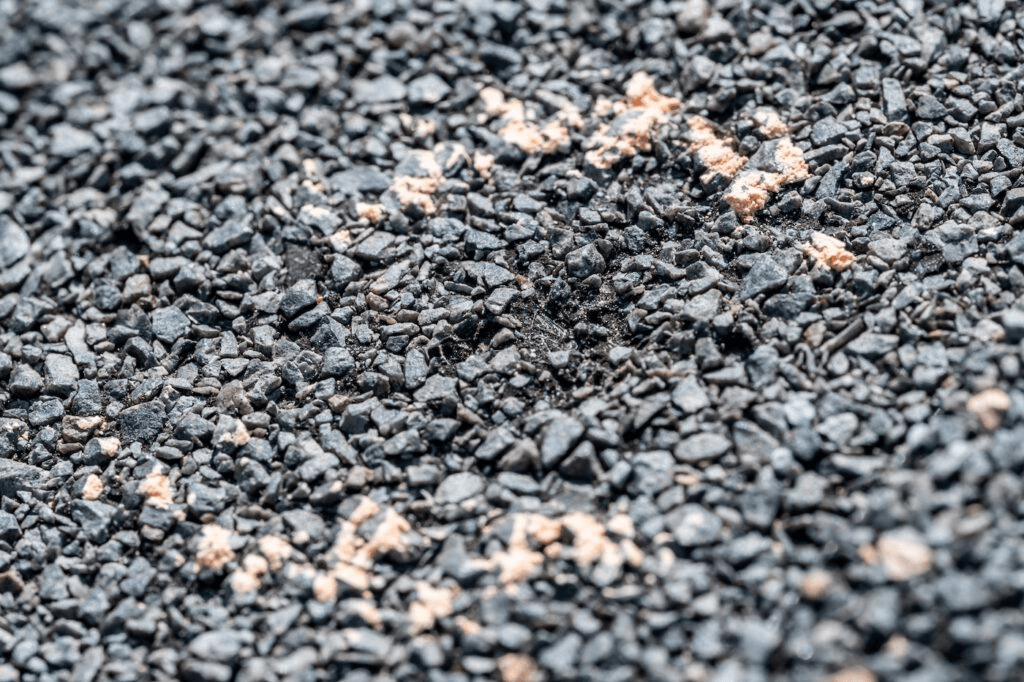
Adjusters typically perform a visual inspection that identifies surface-level damage but ignores underlying structural fatigue. C&CGC integrates forensic engineering to identify micro-fractures in the asphalt shingle granule loss or substrate weakening. By presenting a report rooted in material physics, we move the conversation from "opinion" to "fact." This technical leverage is the cornerstone of a successful high-value claim.
Navigating 2026 Code Compliance and Structural Upgrades
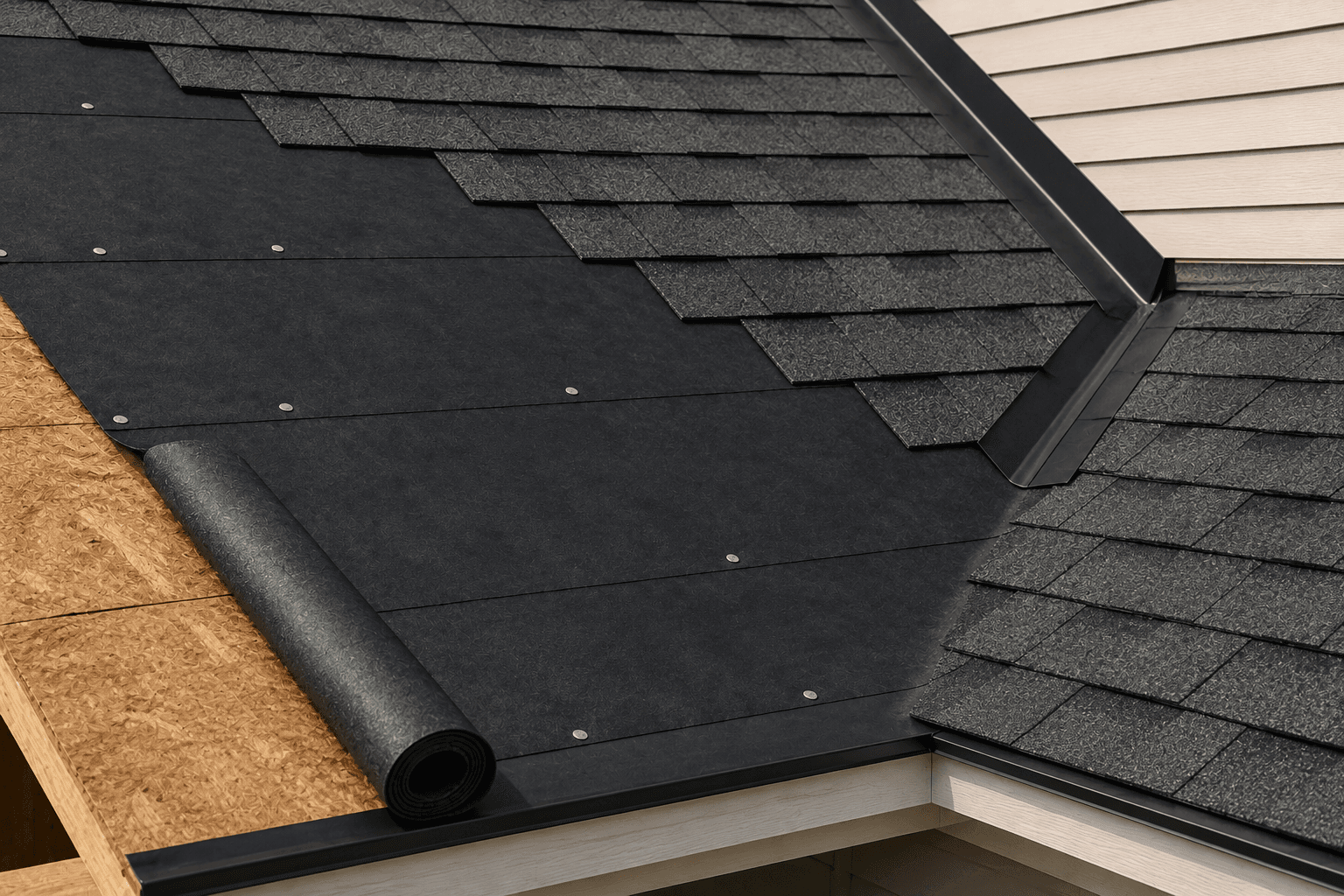
Modern building codes in 2026 mandate that any roof restoration exceeding 25% of the total surface area must bring the entire system up to current standards. For luxury homes, this often involves installing enhanced roof underlayment engineering that meets new wind-uplift requirements. Neglecting these code upgrades during negotiation leaves the homeowner liable for thousands in out-of-pocket costs.
High-Velocity Hurricane Zone (HVHZ) Requirements
Properties located in coastal or high-wind regions must adhere to HVHZ standards, which dictate specific fastener patterns and adhesive strengths. We verify that every insurance scope includes the specialized fasteners mentioned in our guide on metal roofing fastener failure prevention. Using under-rated fasteners can lead to catastrophic failure during subsequent storm events. Insurance companies are legally obligated to cover these upgrades if your policy includes "Law and Ordinance" coverage.
Load-Bearing Calculations for Heavy Materials
Switching from a standard shingle to a synthetic slate roofing or natural stone system requires a structural audit. The roof decking structural integrity must be calculated to ensure the rafters can handle the increased dead load. If the current deck is insufficient, the insurance claim must include the cost of structural reinforcement. We use tools like ERAHub to model these load requirements for adjusters. According to C&CGC architectural standards, failing to account for structural deck reinforcement in a luxury material transition can result in a 15% increase in roof deflection, leading to internal ceiling cracks and structural instability.
Technical Documentation for Premium Material Valuation
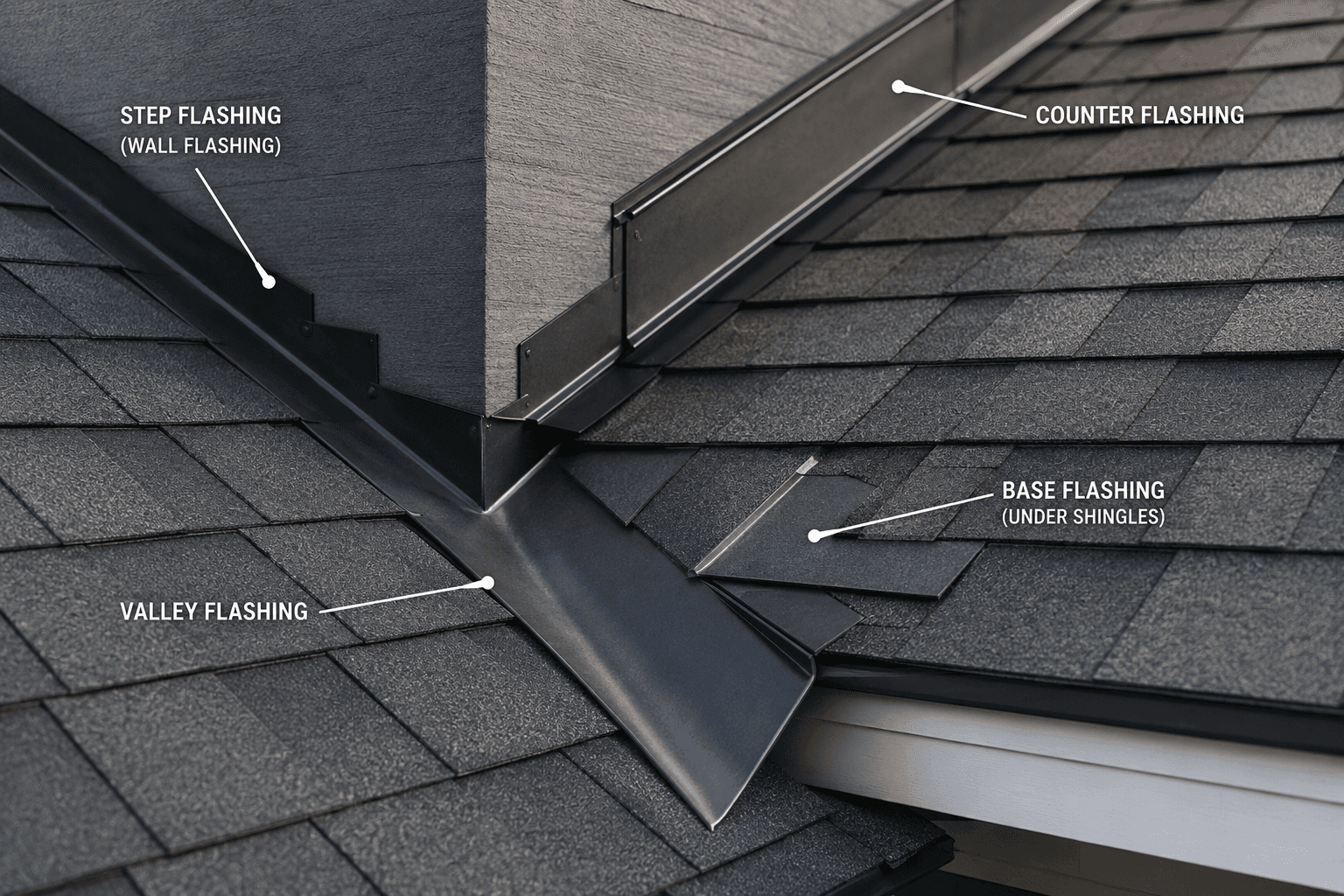
Proving the value of a luxury roof requires more than just photos; it requires a deep dive into material specifications and ASTM ratings. In 2026, claims for residential roofing flashing engineering must show that the integration points are custom-fitted. Generic aluminum flashing is not a "like kind and quality" replacement for 16-ounce copper. We provide the chemical and physical proofs to force a valuation correction.
Quantifying Custom Copper and Slate Accents
Custom work involves unique labor rates that standard insurance pricing software like Xactimate often underestimates. We document the specific gauge of metal and the origin of slate to ensure no quality is lost in the Luxury Roof Insurance Claim Negotiation. Precision matters when dealing with custom masonry joints or specialized valley transitions. We also coordinate with 1912RS to source historically accurate materials for restoration projects.
The Role of Forensic Roof Engineering
Forensic engineering involves testing the tensile strength and impact resistance of the remaining materials after a storm. If a hail event causes storm damage roof restoration needs, we measure the impact craters with digital calipers. This data prevents adjusters from claiming the damage is merely "cosmetic." In 2026, "cosmetic" exclusions are a major hurdle that only technical data can overcome.
Identifying Hidden Structural Compromise After Storm Events
Hidden damage is the most common reason for luxury roof failure five years after a claim is closed. During a Luxury Roof Insurance Claim Negotiation, we focus on identifying substrate saturation and thermal bridge issues that aren't visible to the naked eye. Moisture trapped under luxury materials will rot the deck and lead to flat roof ponding water solutions failures if not addressed immediately.
Micro-Fractures in Heavy Gauge Metal
Metal roofs can suffer from micro-fractures that compromise the factory finish, leading to premature oxidation. While an adjuster might see a "clean" roof, our high-resolution drone thermography can detect heat anomalies. These anomalies indicate areas where the insulation or substrate has been compromised by moisture. Identifying these early ensures the insurance company pays for the full scope of the repair.
Substrate Saturation Metrics
We utilize moisture meters to provide quantitative data on how much water has penetrated the insulation layer. If the insulation R-value is compromised, the entire system must be addressed to maintain attic ventilation engineering standards. Failure to dry the substrate leads to mold growth and structural decay. We insist that insurance companies include "drying-in" and substrate replacement in their initial estimates.
C&CGC Expert Note
“Never sign a "final" release for a storm claim until a thermal imaging scan is performed after a significant rain event following the damage. This is the only way to verify that the underlayment is actually watertight.”
Frequently Asked Questions
What is the biggest mistake homeowners make during a luxury roof claim?
The biggest mistake is relying on the insurance adjuster's initial scope of loss as a definitive repair guide. Luxury roofs involve custom engineering and rare materials that standard pricing software frequently misses. Homeowners should engage a technical consultant like C&CGC to produce a competing engineering report. This ensures that the Luxury Roof Insurance Claim Negotiation is based on actual market costs rather than generic averages.
How do I handle a "cosmetic damage" exclusion for my slate or tile roof?
In 2026, many policies include exclusions for damage that only affects the appearance of the roof. However, for materials like slate or clay tile, a chip or crack is never just cosmetic; it creates a point of water entry and compromises the tile's structural integrity. We provide laboratory testing data to prove that "cosmetic" marks are actually structural fractures. This forces the carrier to cover the replacement under the functional damage clause.
Does insurance cover the cost of upgrading to modern building codes?
If your policy includes "Law and Ordinance" coverage, the insurance company is required to pay for upgrades mandated by local building codes. This includes improved ice dam prevention engineering or updated wind-rated fasteners. Without this coverage, you may be responsible for the price difference between the old code and the new 2026 standards. We always review your policy to identify these coverage opportunities.
What evidence do I need to support a claim for custom metal work?
You need detailed invoices, material certifications, and high-resolution photography of the original installation. We also provide "as-built" CAD drawings to show the complexity of the custom bends and soldering. This documentation proves to the adjuster that the work cannot be performed by a standard roofing crew. It justifies the use of master tinsmiths and the associated premium labor rates required for luxury restoration.
Secure Your Property with Elite Technical Advocacy
Visit www.candcgc.us today to schedule a comprehensive forensic roof inspection and claim review.
Related Posts
Asphalt Shingle Granule Loss Engineering 2026: Advanced Surface Integrity Standards
Tech AnalystAug 8, 2026
Residential Roofing Flashing Engineering 2026: Precision Integration for Masonry and Structural Joints
Structural SpecialistAug 5, 2026
Roof Underlayment Engineering 2026: Advanced Moisture Management Standards
Safety & Quality TeamAug 3, 2026
LEAVE A REPLY
Your email address will not be published. Required fields are marked *